Groovy Graphics for T-Shirt Designs
As a brand designer and content marketer, I am constantly sifting through digital marketplaces to find assets that do more than just look pretty. They need to work. Recently, while building a visual identity kit for a lifestyle client launching a retro-inspired summer collection, I came across Stay Groovy T-shirt Design. In the crowded world of T-Shirt Designs, finding a piece that balances nostalgia with modern commercial viability is rare. This review breaks down how this specific graphic design asset performs in real-world marketing scenarios, from social media graphics to packaging design.
First Impressions: Mood and Audience Perception
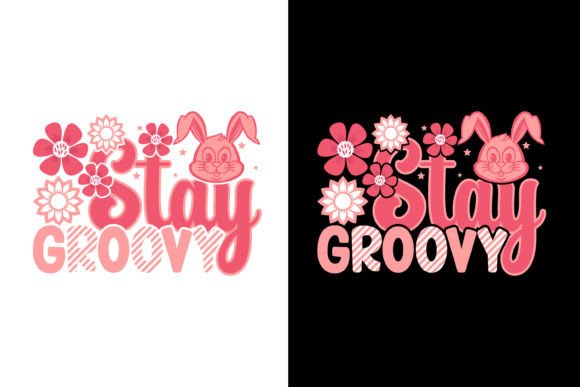
The immediate impact of Stay Groovy T-shirt Design is its ability to evoke a sense of playful nostalgia. The aesthetic leans heavily into the 1970s revival trend, which has seen a massive surge in popularity among Gen Z and Millennial audiences. For brand owners, this is crucial. The mood it creates is casual, approachable, and energetic. It does not scream "corporate"; instead, it whispers "community" and "fun."
When evaluating this as a creative design element, I noticed it works exceptionally well for handmade products, lifestyle content, and event promotions. If your brand identity relies on being premium, minimalist, or strictly formal, this asset might clash. However, for small business branding that aims to build emotional connection and audience trust through relatability, this illustration hits the mark. It feels authentic rather than manufactured, a key factor in today’s content marketing landscape.
Integrating the Asset into Marketing Workflows
Beyond the obvious application on apparel, I tested how this SVG design and PNG design could function across a broader marketing ecosystem. The versatility of a strong vector art design lies in its scalability. Here is how I envision using this asset in a comprehensive campaign:
- Social Media Graphics: The bold lines make it perfect for Instagram posts and Pinterest pins where visual hierarchy is key. It stops the scroll without needing excessive text.
- Digital Ads and Web Design: As a hero graphic for a landing page header, it adds personality. It works well in Facebook ads targeting niche hobbyist groups.
- Packaging Design and Product Labels: Placing this clipart on a sticker for a product label or as an accent on packaging inserts creates a cohesive unboxing experience.
- Editorial Design and Blog Graphics: For bloggers and publishers, using this as a decorative element in blog headers or lead magnets can break up text-heavy layouts.
- Canva Templates: Incorporating this into a design bundle for clients allows them to maintain consistent branding across their own DIY marketing visuals.
The creator notes that you can order the best work at a low price, which is appealing for startups managing tight budgets. However, as a professional, I always advise checking the commercial license before using any design assets in paid campaigns or client work. Ensuring you have the right permissions for commercial design usage is non-negotiable for professional branding.
Strategic Branding Benefits
Why choose Stay Groovy T-shirt Design over generic stock imagery? The answer lies in recognition and consistency. Using a unique illustration helps establish a stronger first impression. When audiences see the same distinct visual style across your email banners, merchandise, and social media covers, it reinforces brand identity. This consistency builds audience trust.
Furthermore, this type of illustration supports better product presentation. It adds a layer of perceived value. A plain t-shirt becomes a statement piece; a simple tote bag becomes a fashion accessory. For online coaches and product creators, this emotional connection translates to higher engagement and more memorable campaign visuals. It transforms a transactional interaction into a relational one.
Where It Works Best vs. Where to Be Careful
To get the most out of this digital product, context is everything. I recommend using it primarily for:
- Hero Graphics: Large format displays where the details can be appreciated.
- Campaign Headers: Top-of-funnel awareness content that needs to grab attention quickly.
- Branded Templates: As a background element or watermark in media kits.
- Decorative Brand Elements: Enhancing whitespace in editorial layouts or printable promotions.
Conversely, exercise caution when applying this asset to:
- Formal Corporate Branding: It may undermine authority in serious B2B contexts.
- Dense Information Layouts: Do not let the design compete with critical data or text-heavy ads.
- Small Mobile Graphics: Ensure the details remain visible when scaled down for mobile screens.
- Low-Contrast Backgrounds: Test readability. If the groovy colors blend into the background, the visual hierarchy fails.
Practical Designer Notes for Implementation
Before finalizing your campaign, run through this checklist. First, test the asset with your existing brand color palette. Does it harmonize or clash? Next, check its performance in black and white. A robust clipart or vector art design should hold its shape even without color. Place it inside real campaign mockups to gauge scale. Preview it on mobile devices to ensure it doesn't look messy or unprofessional at smaller sizes.
Typography pairing is also critical. Compare how it looks with different font styles. I found it pairs surprisingly well with bold sans serif fonts for a modern twist, or handwritten fonts to amplify the retro vibe. Avoid overly ornate script fonts that might compete with the curves of the design. Review spacing and balance carefully; give the graphic room to breathe. Finally, always confirm the commercial license terms. Whether you are using it for a one-off printable design or a large-scale digital ads campaign, legal clarity protects your business.
In conclusion, Stay Groovy T-shirt Design is a potent tool for brands looking to inject personality into their visual content. It bridges the gap between fun aesthetics and professional branding, making it a valuable addition to any creative entrepreneur’s toolkit. By understanding its strengths and limitations, you can leverage this graphic design asset to create compelling, cohesive, and effective marketing materials.