Reviewing the Bicycle T-shirt Design for Embroidery
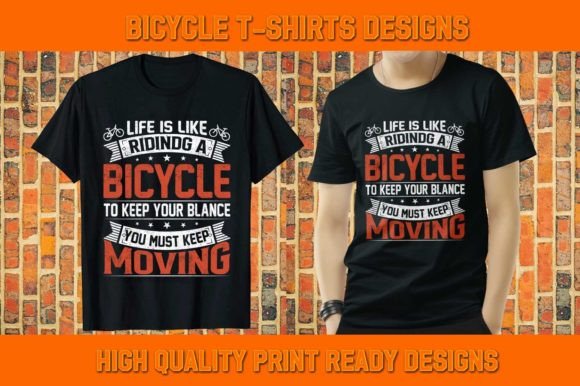
As a designer who spends half my life staring at digitized files and the other half watching needles punch through fabric, I have learned that not every Graphics file translates well to thread. When I first opened the Bicycle T-shirt Design, my initial reaction was one of cautious optimism. The line work appeared clean, and the silhouette suggested a modern, minimalist aesthetic that is currently trending in boutique apparel. However, seeing a design on a screen is vastly different from seeing it stitched out on a textured cotton blend or a stretchy jersey knit. This review breaks down how this specific T-Shirt Designs asset performs when moved from a digital folder to a real-world embroidery project.
First Impressions and Visual Mood
The Bicycle T-shirt Design carries a whimsical yet structured vibe. It feels nostalgic without being overly vintage, which makes it versatile for a wide demographic. For an Etsy seller or a craft business owner, versatility is key. You do not want a design that only appeals to a narrow niche unless you are specifically targeting it. This design strikes a balance. The shapes are distinct enough to be recognized from a distance, which is crucial for wearable items like caps or tote bags.
In terms of layout, the design avoids excessive clutter. This is a significant advantage for embroidery. Overly complex digital embroidery file assets often result in messy backsides and puckered fabrics if not handled with extreme care. The simplicity here suggests that the digitizer understood the limitations of thread. It relies on strong outlines rather than dense fills, which generally means faster stitch-out times and less thread consumption. For a small shop product where margins matter, efficiency is just as important as aesthetics.
Real-World Application Scenarios
I decided to test the mental feasibility of this design across several common products. Here is how I envision the Bicycle T-shirt Design performing in actual production:
- Custom Apparel: On a plain white or heather grey t-shirt, this design would sit beautifully on the left chest. It is small enough to be subtle but detailed enough to be interesting. For sweatshirt embroidery, the thicker fabric provides a stable base, allowing the stitches to pop without sinking into the material.
- Tote Bag Design: Canvas bags are sturdy and handle higher stitch density well. Placing this bicycle motif in the center or corner of a tote creates an instant handmade product feel. It appeals to eco-conscious buyers who appreciate cycling culture.
- Baby Embroidery: Parents love personalized items. If scaled down appropriately, this could work on a baby onesie or bib. However, one must be careful with tiny details on soft, stretchy fabrics. A simple version of the design using mostly running stitch or light fill stitch would be safer than heavy satin borders.
- Embroidered Patch: This is perhaps the strongest use case. Patches allow for higher density and tighter edges. The bicycle shape lends itself well to a merrowed edge or a clean cut-and-sew finish, making it a great add-on for jackets or backpacks.
Technical Considerations for Stitching
While the design looks promising, there are technical hurdles to consider before loading it onto your machine. The description from the creator, Hira, mentions that the style is "beautiful elegant, decorative and beautiful." While this speaks to the visual intent, it does not provide technical specs. Therefore, you must perform your own due diligence.
First, check the stabilizer requirements. If the design uses significant satin stitch for the wheels or frame, you will need a cut-away stabilizer for stretchy garments to prevent distortion. For woven fabrics like aprons or tea towels, a tear-away might suffice, but testing is mandatory. Always test the design on scrap fabric first. Do not risk your final finished product on an untested file.
Second, consider thread colors. The design likely relies on contrast. If you are stitching on dark fabric, ensure you have high-visibility threads. Conversely, on light fabric, subtle tonal variations can look sophisticated. I recommend creating printable mockup versions in black and white to see if the design holds its shape without color reliance. If the lines blur together in grayscale, the design may lack definition when stitched with similar thread tones.
Where to Use Caution
Not every surface is friendly to this type of machine embroidery design. Be cautious with:
- Curved Surfaces: Stitching on a cap requires specialized hoops and techniques. The bicycle’s linear elements might distort if the cap panel is not stabilized perfectly.
- Thin Fabric: Silk or lightweight rayon may pucker under the tension of the hoop. If you must use these fabrics, consider using a water-soluble topping to keep the stitches from sinking.
- Tiny Lettering: If the design includes any text elements, verify their size. Small text often becomes illegible when stitched. If the text is below 0.25 inches, it may merge into a blob of thread.
Commercial Viability and Brand Consistency
For those running a commercial embroidery operation, consistency is vital. The Bicycle T-shirt Design offers a clean look that can help build brand recognition. Customers associate clean, well-executed embroidery with quality. A messy back or puckered front can damage trust. By choosing a design with clear lines and manageable density, you reduce the risk of errors.
This design also works well for holiday embroidery or seasonal promotions. Imagine pairing it with spring-themed colors for a Earth Day sale, or using it on personalized gift items for Father’s Day. Its neutral theme allows for creative marketing angles without feeling forced.
Final Verdict and Licensing Notes
The Bicycle T-shirt Design is a solid addition to any library of design assets. It is not overly complicated, which makes it accessible for beginners, yet it has enough character to satisfy experienced makers. However, since the product description from Hira’s store does not specify exact file formats, stitch counts, or license terms, you must verify these details before purchase.
Ensure you understand the licensing agreement. Can you sell the custom apparel you make? Can you resell the applique design itself? Most designers allow selling finished physical items but prohibit sharing the digital file. Always confirm this to protect your small business merchandise operations.
In summary, this design passes the eye test for modern, clean aesthetics. It fits well within the current market demand for simple, meaningful graphics. Just remember to respect the mechanics of embroidery: stabilize properly, choose the right threads, and always test before you commit to a large batch. With careful handling, this bicycle motif can become a staple in your Etsy listings and craft fair displays.